Practical Ways to Use Quartz Crystals in Everyday Life
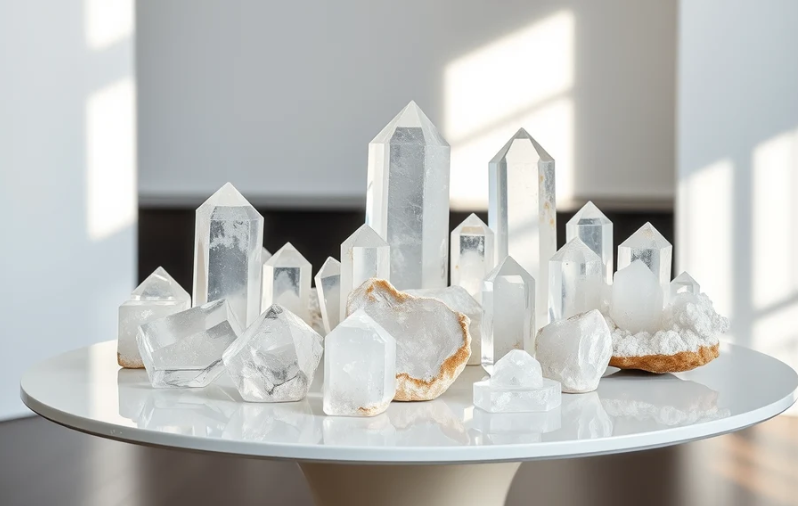
Quartz crystals are admired not only for their natural beauty but also for their long-standing cultural and spiritual associations. From meditation and energy practices to jewelry and interior decoration, quartz can be incorporated into everyday life in a variety of meaningful ways.
Although many people find crystals helpful as symbols of intention, mindfulness, and personal reflection, they should be regarded as complementary wellness tools rather than substitutes for professional medical or mental health care.
Using Quartz Crystals in Meditation
Clear quartz is frequently used in meditation because it is traditionally associated with clarity, focus, and spiritual awareness. Holding a piece of clear quartz or placing it nearby can provide a physical focal point, helping the practitioner remain present and connected to their intentions.
In chakra-based traditions, clear quartz is often associated with the crown chakra, which represents awareness, wisdom, and spiritual connection. Some meditators use the crystal while setting an intention, repeating an affirmation, or practicing visualization.
Rather than directly producing a deeper meditative state, the crystal may serve as a meaningful reminder to slow down, focus the mind, and approach the practice with purpose.
A simple quartz meditation practice may include the following steps:
-
Find a quiet, comfortable place to sit.
-
Hold the crystal gently or place it in front of you.
-
Take several slow, steady breaths.
-
Choose a clear intention for the session.
-
Focus on your breathing, the crystal’s appearance, or the intention you have chosen.
-
Finish by reflecting on any thoughts or emotions that arose.
Quartz Crystals in Reiki and Chakra Practices
Quartz crystals are also used in complementary energy practices such as Reiki and chakra balancing. Practitioners may position crystals on or around the body as symbolic focal points for relaxation, reflection, and intention-setting.
Clear quartz is often described as an energy amplifier within these traditions. Other varieties of quartz may be selected according to their traditional associations. Rose quartz, for example, is commonly connected with compassion and emotional openness, while amethyst is associated with calmness, intuition, and spiritual reflection.
These practices may help some individuals feel relaxed, centered, or emotionally supported. However, claims that crystals can remove physical energy blockages or treat health conditions have not been established by scientific evidence. Reiki and crystal-based practices should therefore complement—not replace—qualified medical or psychological care.
Quartz Crystals in Feng Shui and Home Décor
Quartz crystals are popular in Feng Shui-inspired interiors, where they are used symbolically to encourage harmony, clarity, and balance within a space.
A clear quartz cluster may be displayed in a living room, office, or meditation area as a visual reminder of clarity and positive intention. Rose quartz is often placed in bedrooms or relationship-focused areas because of its association with love and emotional warmth. Amethyst is commonly used in quiet spaces intended for rest, reading, or reflection.
Even without spiritual significance, quartz makes an attractive decorative material. Its natural transparency, distinctive inclusions, and ability to reflect light can add texture and visual interest to both modern and traditional interiors.
When choosing a location, consider placing the crystal where it can be appreciated without being exposed to excessive heat, moisture, or direct sunlight. Prolonged sunlight may cause some colored varieties, including amethyst and rose quartz, to fade over time.
Quartz Jewelry and Accessories
Wearing quartz jewelry is one of the easiest ways to keep the symbolism and beauty of crystals close throughout the day. Quartz is available in necklaces, bracelets, rings, earrings, pendants, and decorative accessories.
In crystal traditions, clear quartz jewelry is associated with clarity and balance. Rose quartz worn near the heart is often used as a symbol of self-compassion, emotional openness, and healthy relationships. Amethyst jewelry is commonly chosen to represent calmness, reflection, and inner awareness.
For many people, crystal jewelry functions much like a meaningful keepsake. Touching or noticing the piece during the day can provide a reminder to pause, breathe, and return attention to a personal intention.
How to Choose and Care for Quartz Crystals
Selecting and caring for a quartz crystal can be both a practical and personal process. Understanding the characteristics of different varieties will help you choose a piece that suits your preferences and intended use.
Selecting the Right Quartz for Your Needs
Begin by considering why you would like to own a crystal. Are you looking for a meditation aid, a decorative sculpture, a piece of jewelry, or a symbolic reminder of a particular intention?
Different varieties of quartz have their own visual characteristics and traditional associations:
-
Clear quartz is associated with clarity, focus, and intention.
-
Rose quartz symbolizes love, compassion, and emotional openness.
-
Amethyst is connected with calmness, reflection, and spiritual awareness.
-
Smoky quartz is traditionally associated with grounding and stability.
-
Citrine represents optimism, creativity, and abundance.
You may also select a crystal based purely on its appearance. Color, transparency, inclusions, shape, craftsmanship, and overall condition are all important considerations.
Some buyers prefer crystals with exceptional clarity, while others are drawn to natural inclusions, fractures, color zoning, or unusual formations. These features are not necessarily flaws; they often form part of the crystal’s individual character.
Intuition can also play a role. If a particular piece immediately captures your attention, it may have personal significance for you—even if it is not traditionally associated with your original intention.
Understanding Natural and Treated Quartz
When purchasing quartz, it is helpful to determine whether the piece is natural, lab-grown, dyed, heat-treated, coated, or reconstructed.
Treatments are not automatically undesirable, but responsible sellers should describe them accurately. Heat treatment, for example, is sometimes used to alter the color of quartz, while metallic coatings may be applied to create an iridescent surface.
Ask the seller about the crystal’s origin, treatment status, dimensions, weight, and condition. For valuable specimens, gemstones, or sculptures, clear photographs and reliable documentation can help you make a more informed decision.
Cleansing and Charging Your Quartz
Many crystal enthusiasts practice cleansing and charging as symbolic rituals. These activities can provide an opportunity to clean the crystal physically, renew an intention, or reconnect with a mindfulness practice.
There is no scientific evidence that crystals absorb negative energy or require energetic recharging. However, cleansing and charging rituals may still hold personal, cultural, or spiritual meaning.
Symbolic Cleansing Methods
Common ritual cleansing methods include:
-
Passing the crystal through incense smoke
-
Using sound from a bell or singing bowl
-
Placing it in moonlight
-
Setting it beside selenite or another meaningful stone
-
Using visualization or spoken affirmations
Physical cleaning should be approached separately from symbolic cleansing. Most untreated quartz specimens can be gently cleaned with lukewarm water, mild soap, and a soft cloth or brush. However, pieces containing metal settings, delicate coatings, attached minerals, adhesives, or repaired sections may require special care.
Avoid harsh chemicals, sudden temperature changes, and abrasive cleaning products. If you are uncertain about a specimen, consult the seller or a mineral-care professional before exposing it to water.
Charging and Setting an Intention
In spiritual traditions, “charging” a crystal means dedicating it to an intention or symbolically refreshing its purpose.
You might hold the crystal quietly, take several slow breaths, and identify the quality you want it to represent. This could be patience, confidence, compassion, focus, or creativity.
Some people place crystals in moonlight or near other stones during this process. If using sunlight, remember that prolonged exposure can fade certain colored quartz varieties. Burying crystals in soil is generally not recommended for valuable or delicate specimens because moisture, minerals, and physical pressure may damage their surfaces.
The most suitable ritual is one that is safe for the material and meaningful to you.
Proper Storage and Handling
Quartz is relatively durable, ranking 7 on the Mohs scale of mineral hardness. Nevertheless, it can still chip, fracture, or scratch other materials if handled carelessly.
To protect your crystals:
-
Store individual pieces in soft pouches or padded compartments.
-
Keep sharp crystal points away from fragile jewelry and softer minerals.
-
Avoid dropping specimens or placing them near the edge of a shelf.
-
Keep crystal spheres on secure stands to prevent rolling.
-
Protect colored quartz from prolonged direct sunlight.
-
Avoid rapid changes in temperature.
-
Dust sculptures and clusters regularly with a soft brush or cloth.
Large or heavy crystal sculptures should be displayed on a stable, level surface. If children or pets are present, choose a location where the piece cannot easily be knocked over.
Proper storage and handling preserve both the natural beauty and the monetary value of a crystal collection.
Personal Experiences and Individual Perspectives
Many people describe meaningful experiences with quartz crystals. These accounts can offer insight into the personal and symbolic role crystals play, but they should not be presented as clinical evidence or proof of medical effectiveness.
Experiences Related to Physical Well-Being
Some individuals report feeling more relaxed or motivated to maintain healthy routines when crystals are incorporated into meditation, rest, or self-care practices.
The ritual of holding a crystal, breathing slowly, or spending time in quiet reflection may support relaxation and stress management. These effects are more reasonably associated with mindfulness, expectation, personal meaning, and the calming nature of the ritual than with a scientifically demonstrated healing property of the crystal itself.
Claims that quartz can accelerate recovery from surgery, strengthen the immune system, relieve pain, or treat chronic illness are not supported by reliable clinical evidence. Anyone experiencing pain, illness, or complications following surgery should seek advice from a qualified healthcare professional.
Emotional and Mental Experiences
Rose quartz, amethyst, and clear quartz are often incorporated into routines centered on emotional reflection. Users may associate rose quartz with self-compassion and forgiveness, while amethyst may serve as a symbol of calmness during stressful periods.
For some individuals, these stones become tangible reminders of an affirmation, therapeutic goal, or personal commitment. A person working on self-compassion, for instance, might hold a piece of rose quartz while journaling or practicing mindful breathing.
Such rituals may feel comforting, but crystals should not be described as treatments for anxiety, depression, trauma, or other mental health conditions. Anyone experiencing persistent emotional distress should consider speaking with a licensed mental health professional.
Spiritual and Reflective Experiences
Spiritual practitioners sometimes describe quartz crystals as helpful companions during meditation, prayer, visualization, or other contemplative practices.
Amethyst is particularly associated with intuition and spiritual reflection, while clear quartz is often used to represent awareness and intention. Some individuals feel that these crystals help them focus more deeply or give structure to a personal ritual.
These experiences are subjective and can vary considerably from person to person. Rather than guaranteeing spiritual awakening or access to a higher consciousness, crystals may function as symbolic tools that encourage attention, reflection, and a stronger sense of purpose.
Approaching Testimonials Responsibly
Testimonials can make an article feel personal and relatable, but they should be presented with care. Individual experiences do not establish that a product or practice will produce the same results for everyone.
When sharing customer stories:
-
Clearly identify them as personal experiences.
-
Avoid suggesting that results are guaranteed.
-
Do not use testimonials to make medical claims.
-
Avoid implying that crystals can diagnose, prevent, or cure disease.
-
Encourage professional support when discussing physical or mental health concerns.
-
Obtain permission before publishing identifiable customer information.
Responsible storytelling respects both the customer’s experience and the reader’s need for accurate, transparent information.
Conclusion
Quartz crystals can bring beauty, symbolism, and a sense of intention into everyday life. Whether used during meditation, displayed as home décor, worn as jewelry, or collected as natural works of art, each piece can hold a different meaning for its owner.
Their value does not need to depend on claims of scientifically proven healing powers. Quartz crystals can be appreciated for their geological origins, visual character, cultural traditions, craftsmanship, and ability to support meaningful personal rituals.
By choosing authentic pieces, caring for them properly, and approaching wellness claims responsibly, you can enjoy quartz crystals in a way that is both inspiring and informed.